Donate
DE
|
EN

IPSO is a non-profit humanitarian organisation which I founded in 2008, after having worked in the humanitarian sector for 4 years. I saw the necessity to strengthen the psychosocial sector in humanitarian work and provide best quality psychosocial and mental health  care and support care through an organisation which specialises in this and can deliver high quality services, trainings and concepts. And that is what we do:

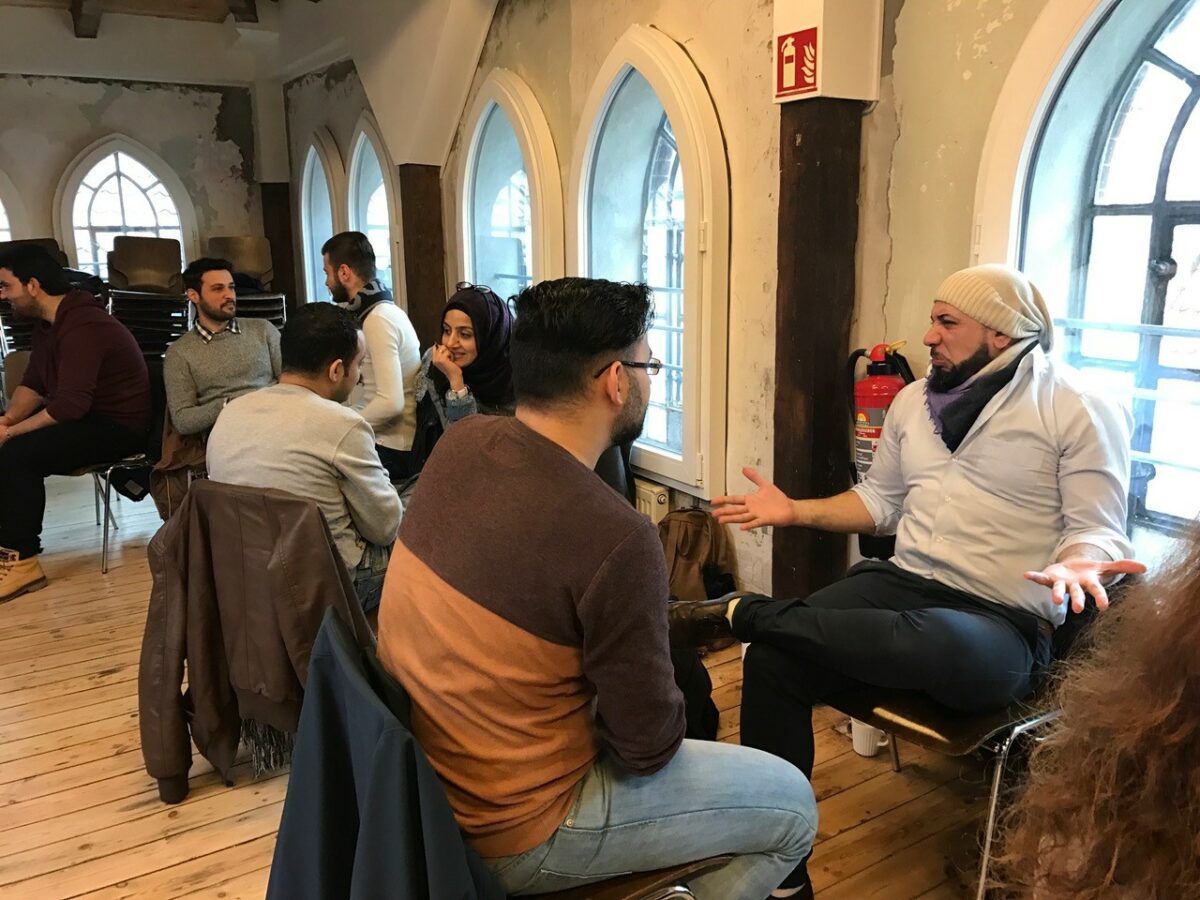
We focus on mental health and psychosocial support, often shortened to MHPSS, and on dialogue between cultures and communities that helps build peace and bring people closer together. We design programs for mental health and community care that are meant to last, and we support them through research, monitoring, and evaluation as they take shape on the ground.

Out of the huge need for a scalable personal psychosocial and mental health support for people suffering from a huge mental health burden as I was confronted with in Afghanistan 2004 VBC® Value Based Counseling emerged out of my work with people in need. VBC is an approach that starts with people themselves, with their  values and their ability to find direction again, even in the hardest circumstances. 

VBC® adapts to different realities and sociocultural  contexts while holding on to its core structure and idea. To empower the individual to regain agency. VBC® as a cultural sensitive approach has proven itself, in the Middle East, Central Asia, Europe and Ukraine, Haiti, China, and Germany, where we built mental health care for refugees.

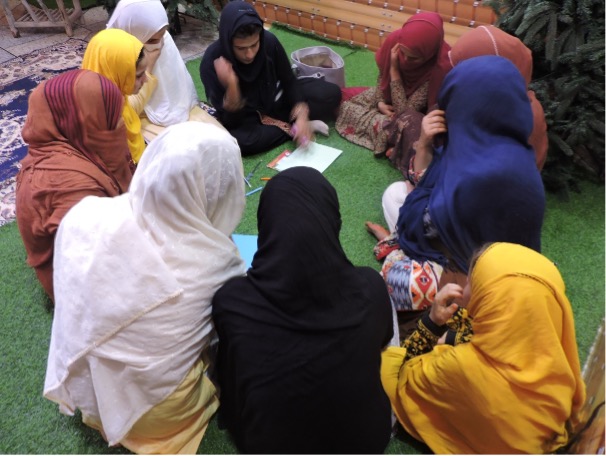
We also wanted to strengthen communities, as we realised how important a well-functioning social environment and a stable personal, social, and cultural identity are for psychosocial wellbeing. Therefore, we developed our Sociocultural Container (SCC) and Community Caregiver (CCG) programs, which connect individual counselling to everyday life in the community.

Two decades of work across many different places have taught us something: a society can only grow stronger when the people within it have found their own peace of mind. That is why we see mental health and psychosocial support, along with every program in our pyramid, as a foundation for peace and reconciliation.

Our impact starts with the individual which reaches through the individual into the family, community, and into society as a whole

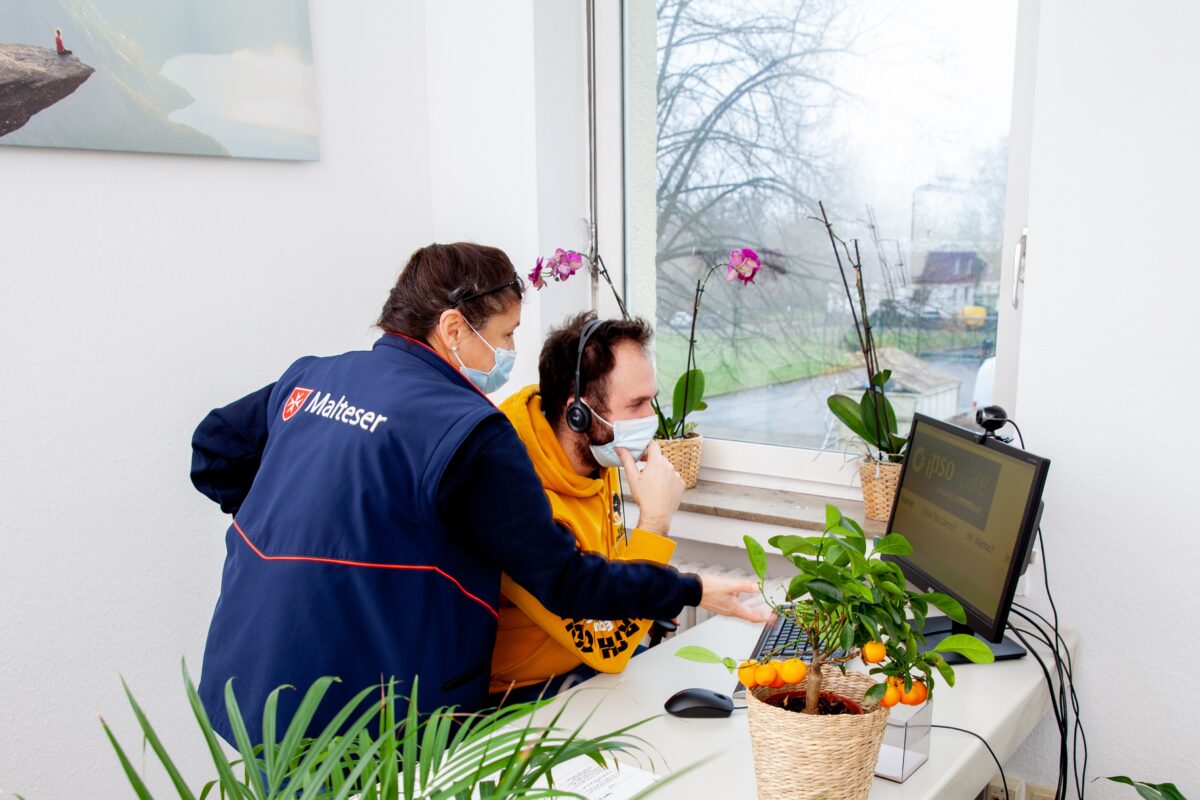
Our services  reach people where they are, through our online platforms (https://ipso-care.com/, https://ipso-freetalk.com/) as well as in person on the ground. 

Our professional trainings in VBC® and in community based mental health care, in staff care and psychological first aid are delivered regularly and on demand for individuals and organisations.
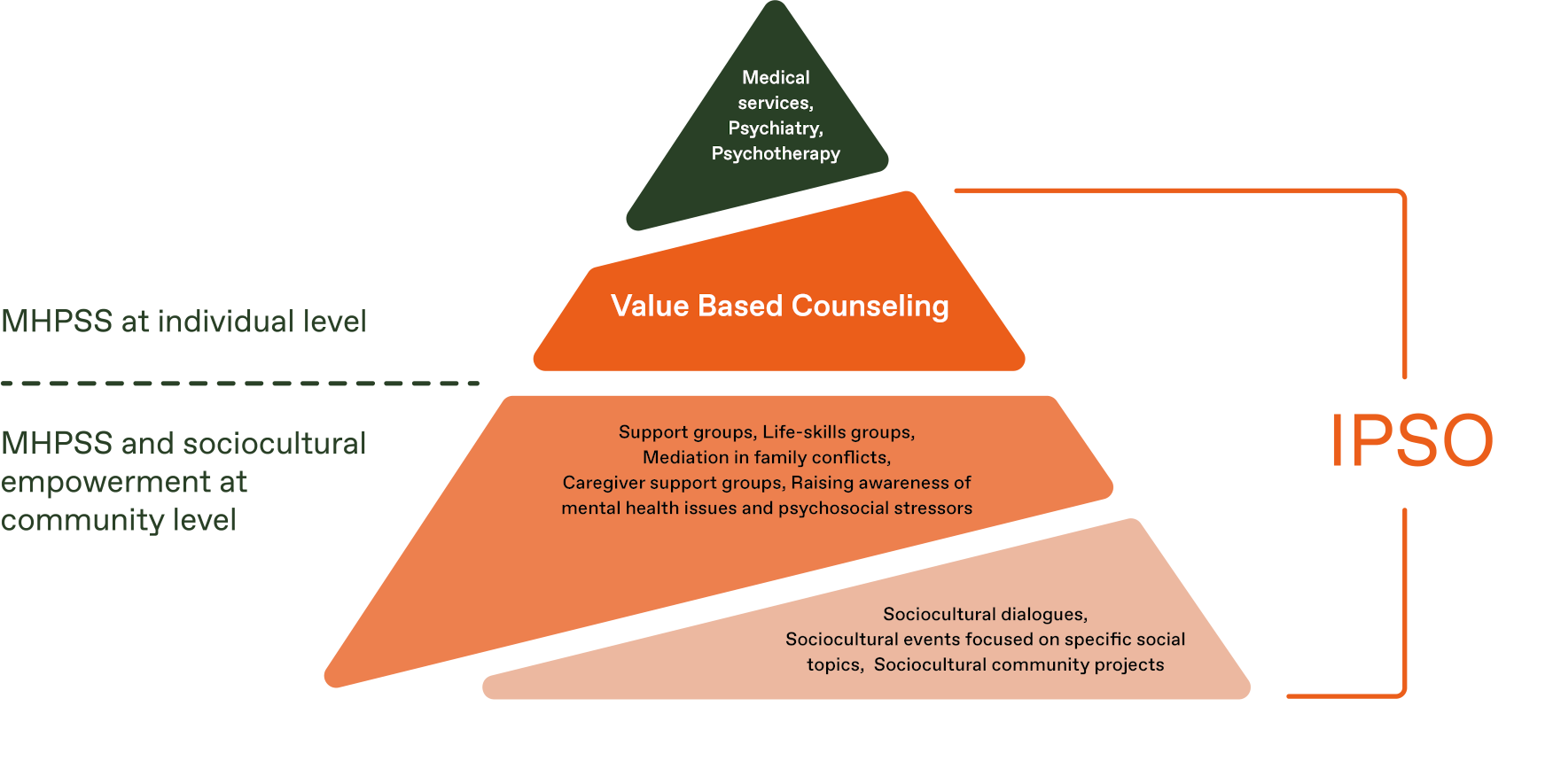

Ipso’s MHPSS Pyramid
Our “Value Based Counseling” method

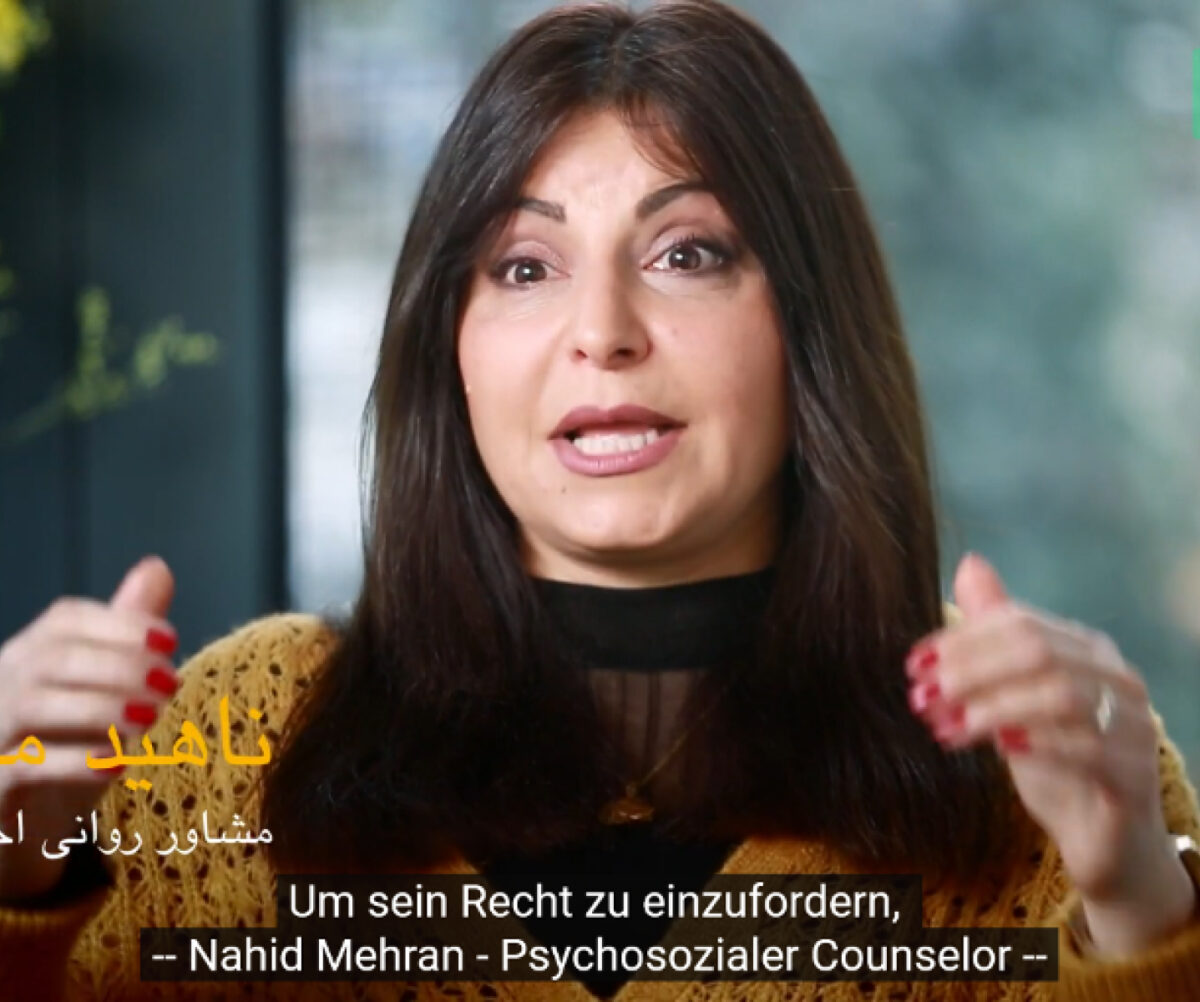
Value Based Counseling (VBC®), i.e. culturally sensitive psychosocial counseling, is a short-term psychodynamic intervention with a salutogenetic approach that aims to improve people’s sense of coherence and self-efficacy during a non-directive but carefully structured conversation.

VBC® is aimed at adolescents and adults. VBC® is based on the idea that people are guided by an inherent need to lead a meaningful life. What we find meaningful depends on our personal values, which is why we use the term “Value Based Counseling”.

Personal values are usually linked to family and societal values that people grew up with. Different cultures have different value systems, with generational conflicts indicating that value systems can change. The different value systems from societies characterised as being individualist and collectivist are particularly noticeable. VBC can be used anywhere and always as it takes place between people with similar cultural backgrounds and under the “do no harm” principle and no values are stipulated other than the code of ethics for our IPSO counselors.

VBC® avoids pathologising clinical symptoms that are based on intrapsychic or interpersonal conflicts, traumatic experiences, a disruptive social environment or difficult life transitions such as migration or the loss of livelihoods. Our counseling approach seeks to understand these symptoms as an expression of unresolved social stress instead. VBC® assumes that a person’s scope of action for change expands when she or he becomes aware of her or his situation and the associated hierarchy of values, both her or his own and those of others, as well as the feelings it triggers. A person’s potential for self-development as well as striving to use their potential forms the basis for promoting human self-healing.

The success of VBC® is highly based on our counselors entering into a symmetrical relationship with the people who confide in them. This requires the ability to be impartial towards these people as well as perspective-taking and empathy. It might be difficult to provide this service in an intercultural setting because a lack of first-hand experience would have to be compensated for by a greater openness to cultural differences, which is usually only possible to a limited extent.

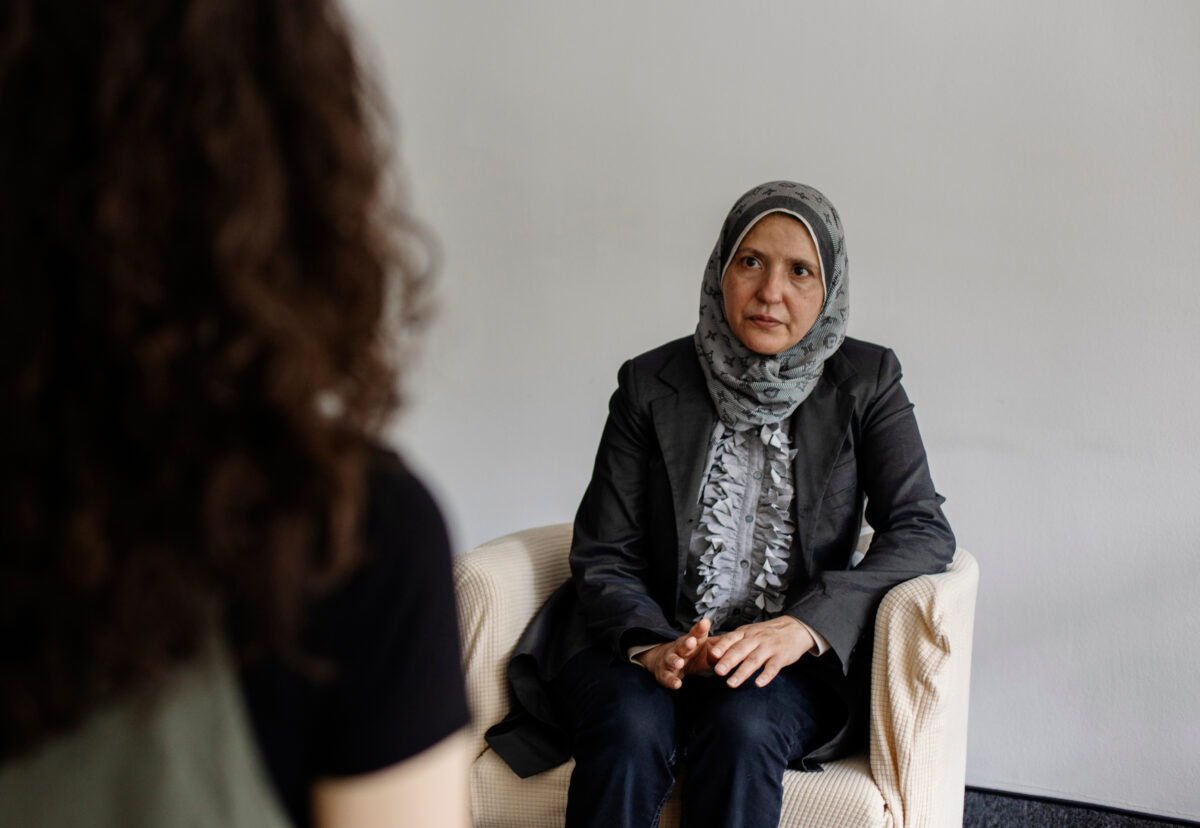
VBC® takes an intracultural approach, which requires that the psychosocial counselors speak the mother tongue of the people seeking support and have the same cultural background. This approach avoids various problems that could be associated with intercultural counseling, such as non-direct contact with the people needing support as it would be facilitated through specially trained translators.

If they come from a culture characterised by strictly defined gender roles and gender segregation in many areas of life, it is important that the counselors also share the same social gender as them. As the realities of men’s and women’s lives differ so significantly, communications between them would be made more difficult due to the inevitability of breaking taboos. This is why VBC® uses a matching system whereby women are counseled by female counselors and men by male counselors.

These principles ensure that counselors are quickly able to establish a trusting working relationship with people seeking support that enables them to have in-depth personal conversations right from the initial session. Studies have shown that this can bring about positive changes in the lives of these people within an average of three to five sessions: for example the study ‘Promoting the resilience of refugees/migrants – Effectiveness study into the use of mother-tongue counselors,’ which was carried out with the Charité from 2017-2020 (see publication list below).

• Orang, M., Missmahl. I., Gardisi, M., Kluge, U. (2023). Internet-Delivered Value Based Counseling (VBC®) Aimed at the Reduction of Post-Migration Psychosocial Stress – A Pilot Study. Journal of Technology in Human Services, 41:1, 23-42.

• Orang, M., Missmahl, I., Gardisi, M., Kluge, U. (2023). Rethinking mental health care provided to migrants and refugees; a randomized controlled trial on the effectiveness of Value Based Counseling, a culturally sensitive, strength-based psychological intervention. PLoS ONE 18(3): e0283889.

• Orang, T., Missmahl, I., Thoele, A.-M., Vensise, L., Brenner, A., Gardisi, M., Peter, H., Kluge, U. (2022). New directions in the mental health care of migrants, including refugees – A randomized controlled trial investigating the efficacy of value-based counselling. Clinical Psychology and Psychotherapy,29(4), 1433–1446.

• Brugmann, B., & Missmahl, I. (2022). Value Based Counseling – Eine skalierbare psychosoziale Kurzzeitintervention für ressourcenarme Settings. Psychotherapie – Wissenschaft, Bd. 12 Nr. 2 (2022): Die Hoffnung auf Psychotherapie in einer gefährdeten Welt / Themenheft.

• Missmahl, I. (2020). Psychosoziale Grundversorgung in Afghanistan: ein Beispiel für eine kultursensible Umsetzung von universellen Menschenrechten in einer Gesellschaft im Umbruch. Fortschritte der Neurologie – Psychiatrie 88(03), 179-183.

• Missmahl, I. & Brugmann, B. (2019). Value-based Counseling – Kultur und Religion als sinnstiftendes Element einer psychodynamischen Kurzzeitintervention. Psychotherapie-Wissenschaft 9(1), 39–49.

• Missmahl, I. (2018). Geflüchtet aus Afghanistan. In: W. Machleidt, U. Kluge & M. Sieberer (Hrsg.), Praxis der interkulturellen Psychiatrie und Psychotherapie. Migration und Psychische Gesundheit, 150–153; 2. Aufl. München: Elsevi

• Bohus, M., & Missmahl, I. (2018). Zur Umsetzung alternativer Behandlungsmodelle für Flüchtlinge in der BRD: Was können – was sollten – wir aus Afghanistan lernen? Der Nervenarzt 88(1) 34-39.

• Missmahl, I. (2018). Value-based counselling: Reflections on fourteen years of psychosocial support in Afghanistan. Intervention. Journal of Mental Health and Psychosocial Support in Conflict Affected Areas, 16:3, 256-260.

• Missmahl, I., Ayoughi, S. (2017). Psychosoziale Beratung von Geflüchteten für Geflüchtete – Ein Wissenstransfer von Afghanistan nach Deutschland. In: Koch, B. T. (Hg.), Junge Flüchtlinge auf Heimatsuche. Psychosoziales und pädagogisches Handeln in einem sensiblen Kontext, 229–238, Heidelberg: Carl-Auer.

• Missmahl, I., Kluge, U., Bromand, Z., Heinz, A. (2012). Teaching psychiatry and establishing psychosocial services – lessons from Afghanistan. European Psychiatry: The Journal of the Association of European Psychiatrists 27(2), 76-8.

• Ayoughi, S., Missmahl, I., Weierstall, R., Elbert, T. (2012). Provision of mental health services in resource-poor settings: a randomised trial comparing counselling with routine medical treatment in North Afghanistan (Mazar-e-Sharif). BMC Psychiatry 12, 14.

• Catani, C., Schauer, E., Elbert, T., Missmahl, I., Bette, J.-P., Neuner, F. (2009). War trauma, child labor, and family violence: Life adversities and PTSD in a sample of school children in Kabul. Journal of Traumatic Stress 22(3), 163-71.

• Missmahl, I. (2006). Psychosoziale Hilfe und Traumaarbeit als ein Beitrag zur Friedens- und Versöhnungsarbeit am Beispiel Afghanistans. Psychotheraphie-Forum 14(4), 180-185.

Selected Projects
Afghanistan
Community Care
International
Training
VBC® Counseling
Clear filter ()
Contact
If you have any questions or project inquiries, please do not hesitate to contact us.